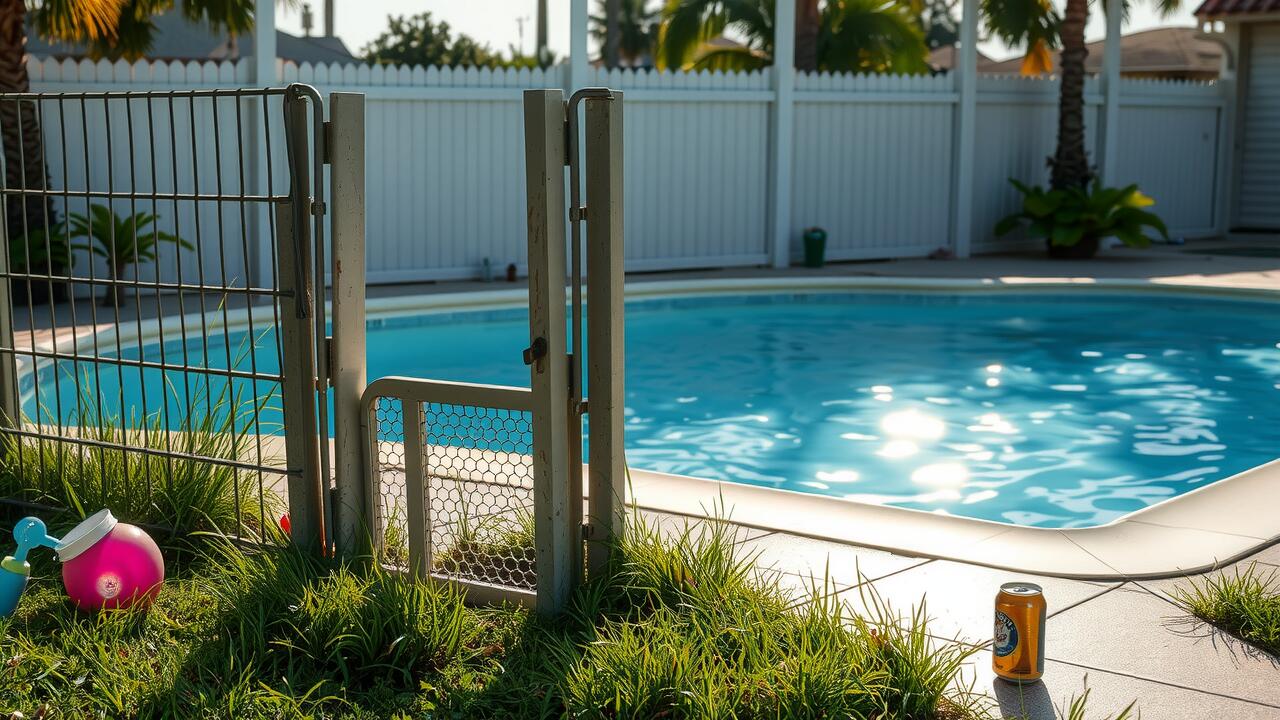
Preventing Unwanted Access
Ensuring safety around a pool involves more than just water quality and maintenance. Without a fence, the risk of unauthorized access increases significantly, especially for young children and pets. An open pool area can invite curious visitors or accidents. Preventing such scenarios is essential for safeguarding lives and providing a secure environment.
Incorporating effective barriers can drastically reduce the likelihood of unwanted access. A well-constructed fence serves as a visual and physical line of defense, clearly marking boundaries. Additionally, consideration for gate latches and self-closing mechanisms enhances security, making it difficult for anyone to easily enter the pool area. This proactive approach helps in minimizing risks associated with unsupervised access while instilling a sense of responsibility among pool owners.
The Importance of Deterrents
Having visible deterrents around a pool area serves as a crucial layer of safety. Simple barriers like a fence can actively discourage children and pets from wandering too close. The presence of these obstacles draws attention to the pool, signaling caution. Without these precautions, the allure of water can outweigh the perceived dangers, leading to potentially tragic situations.
Furthermore, incorporating elements such as signs that clearly indicate the presence of a pool reinforces safety awareness. These signs can be especially effective in public or shared spaces, reminding visitors to remain vigilant. Deterrents not only protect those who are unaware of the risks but also promote a culture of safety among families and communities.
Alternative Safety Measures
When a fence is not in place around a pool, implementing other safety measures becomes crucial. Pool covers offer an effective solution by creating a barrier that prevents accidental falls. These covers come in various materials and designs, catering to different needs and climates. Additionally, alarm systems can alert homeowners when someone enters the pool area, adding another layer of security. These alarms can be particularly beneficial in notifying parents of potential hazards, making them an essential investment for families.
Beyond covers and alarms, maintaining clear visibility around the pool area is vital. Keeping the space tidy and free of obstacles helps ensure that children and guests can be closely monitored at all times. Regular supervision should always accompany any safety measures in place. Together, these alternatives can significantly enhance safety, especially in the absence of a traditional fence. Making these adjustments can provide a supportive environment that prioritizes awareness and prevention.
Pool Covers and Alarm Systems
Utilizing pool covers can significantly enhance safety during times when the pool is not in use. These covers provide a physical barrier that prevents accidental falls, particularly for small children and pets. They come in various materials, including mesh and solid options, each offering different levels of visibility and protection. When properly installed, a robust cover securely seals off the pool area, giving parents confidence that their loved ones are less likely to access the water unsupervised.
Alarm systems add another layer of security by alerting homeowners to any unexpected movement around the pool area. These devices can be designed to trigger when someone enters the vicinity of the pool or when the water is disturbed. Some alarm systems even integrate with smart technology, allowing alerts to be sent directly to smartphones. This rapid response capability allows for timely intervention, thereby further reducing the risk of accidental drownings or injuries.
Psychological Factors for Parents
The presence of a fence can greatly influence the mindset of parents regarding pool safety. Many individuals feel a heightened sense of security when there are physical barriers in place. This perception often stems from the notion that a fence can serve as a protective measure, reducing the risk of accidental falls or unauthorized access. Parents may find solace in knowing that potential dangers are minimized, allowing them to enjoy time with their children without incessant worry.
Additionally, the idea of having a well-defined boundary not only helps prevent accidents but also encourages responsible behavior in both adults and children. It fosters an environment where supervision is complemented by tangible safety measures. Parents become more attentive, knowing that a fence acts as an additional layer of protection while they monitor children around the pool. This dual approach can enhance overall vigilance and contribute positively to family dynamics during recreational time.
Peace of Mind with Proper Barriers
Having appropriate barriers around a pool significantly enhances safety and comfort for parents and guardians. Knowing that a physical obstacle exists can alleviate anxiety and allow caregivers to focus on leisure activities without constant worry. Proper fencing acts as a psychological buffer, creating an environment where parents feel more secure while children play nearby. It transforms the space into a safer haven for recreation, encouraging families to enjoy the outdoors.
The presence of barriers not only protects children but also offers reassurance to those responsible for them. When parents can see that their pool area is properly enclosed, they can spend quality time with their loved ones instead of being preoccupied with potential hazards. This sense of security fosters a more relaxed atmosphere, making family gatherings or pool parties enjoyable events rather than stressful situations. Every added layer of protection bolsters confidence in managing a pool safely.
FAQS
What are the risks of not having a fence around my pool?
Not having a fence around your pool increases the risk of accidental drownings, especially among children and pets, as it allows unrestricted access to the pool area.
Are there legal requirements for pool fencing?
Yes, many local and state regulations require residential pools to be fenced to prevent unauthorized access. It's important to check your area's specific laws regarding pool safety.
What alternative safety measures can I take if I don’t have a fence?
Alternative safety measures include installing pool covers, alarm systems that alert you when someone enters the pool area, and using pool safety nets or barriers.
How can having a fence provide peace of mind for parents?
A properly installed fence around the pool creates a physical barrier that helps keep children and pets safe, reducing the likelihood of accidents and allowing parents to relax knowing their loved ones are protected.
What psychological benefits can come from installing pool barriers?
Pool barriers can alleviate anxiety for parents and caregivers, providing them with confidence that their children are safer and minimizing the risk of tragic accidents.