Key Takeaways
- The influence of poor illumination on safety at apartment pools
- The importance of oversight in avoiding incidents
- Significant data regarding accidents at apartment pools
- Legal ramifications of insufficient lighting and supervision
- Strategies to enhance safety in apartment pools
How Inadequate Lighting And Lack Of Supervision Cause Apartment Pool Accidents | The Impact of Inadequate Lighting on Apartment Pool Safety
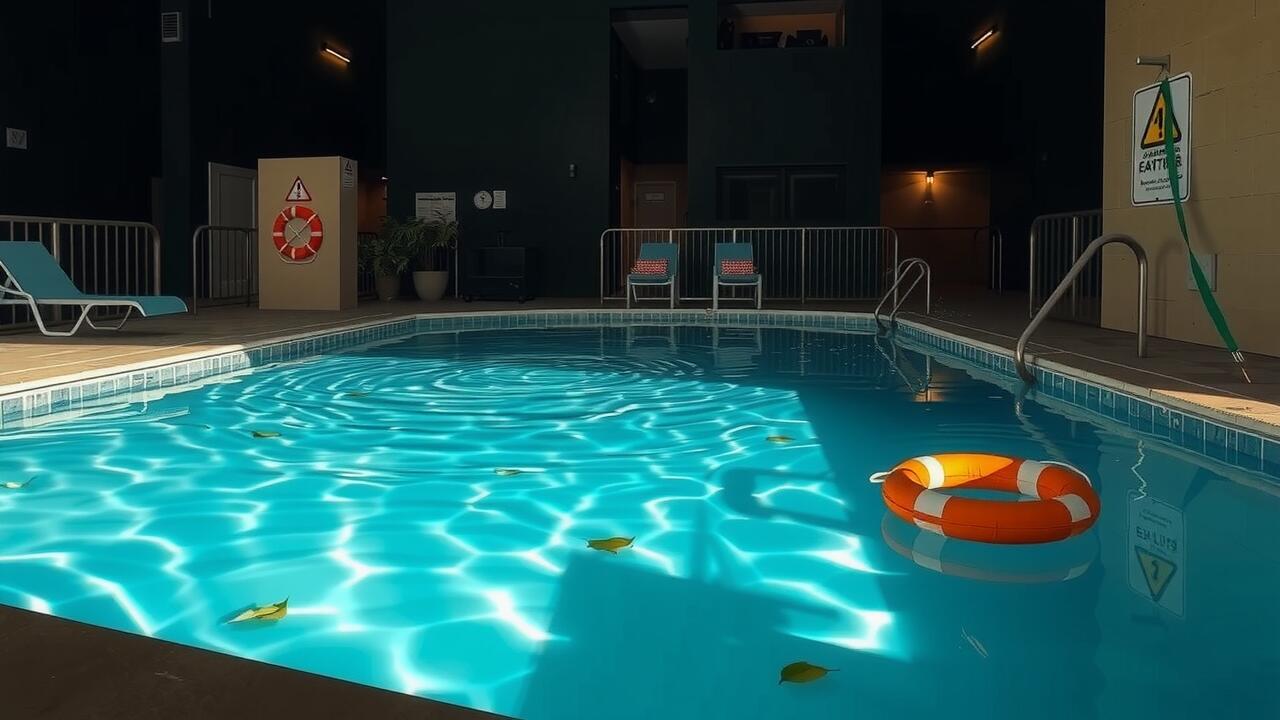
Inadequate lighting and lack of supervision significantly contribute to accidents in apartment pools, creating a hazardous environment for residents and guests. Proper lighting is essential in identifying potential dangers, especially during nighttime when visibility decreases. Many accidents related to diving, slip-and-fall incidents, and even drownings occur in poorly illuminated public swimming pools, highlighting how critical light fixtures are in apartment complexes. The Virginia Graeme Baker Pool and Spa Safety Act emphasizes the importance of safety measures, yet without adequate lighting and supervision, the risk pooling of hazards increases dramatically. Car accidents often occur under similar poor visibility conditions, drawing parallels to how inadequate lighting can lead to preventable pool-related tragedies. By addressing these issues, property managers can create safer environments that reduce the occurrence of such accidents.
How Inadequate Lighting and Lack of Supervision Cause Apartment Pool Accidents | Visibility Issues and Risk Factors
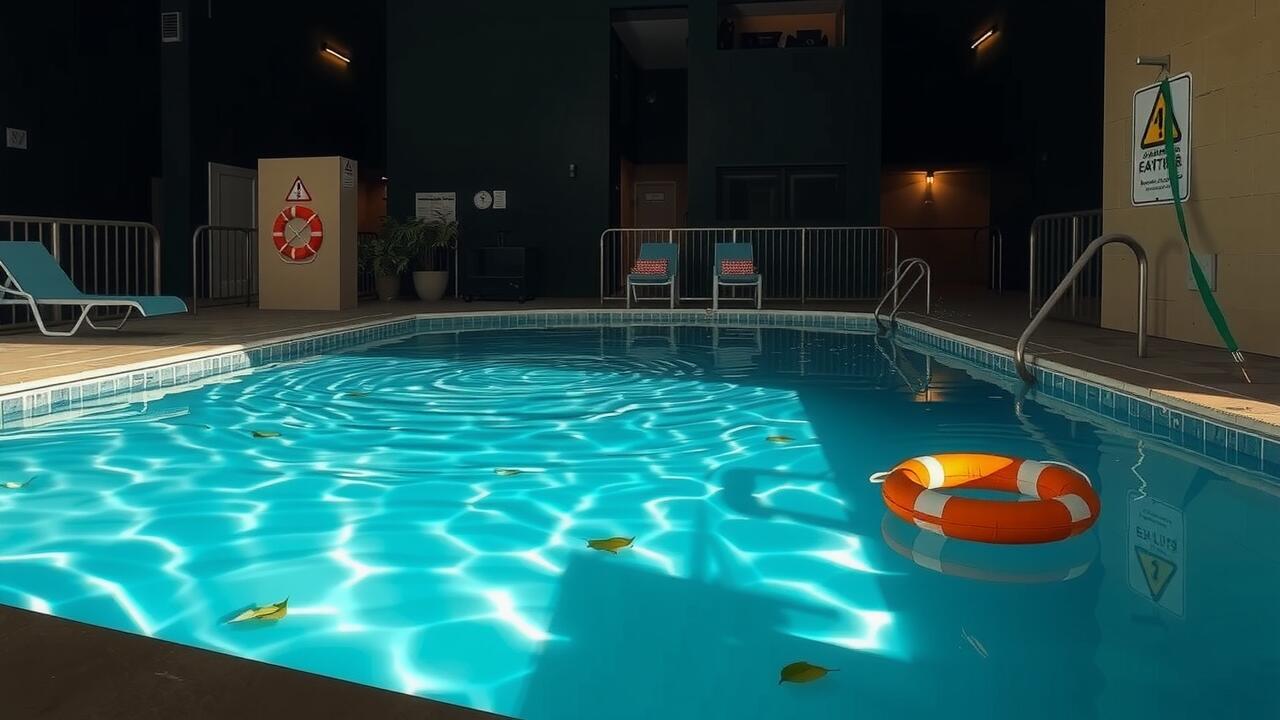
Inadequate lighting around swimming pools poses significant visibility issues that can directly contribute to accidents. Poorly lit areas, such as parking garages and pathways leading to swimming pools, create hazards that are often overlooked by landlords. These settings can become attractive nuisances, drawing individuals without proper safety equipment or supervision. Without compliant safety regulations, the risk of slips and falls increases exponentially, especially in dimly lit environments where potential dangers are not easily detected.
Lack of supervision further exacerbates the risks associated with inadequate lighting. Without trained personnel overseeing the area, the chances of accidents occurring rise dramatically. Negligence in maintaining adequate lighting and visible safety measures can lead to serious incidents. Landlords are responsible for ensuring that their properties meet safety standards that protect residents and guests alike. A combination of poor lighting and insufficient oversight creates a perfect storm for accidents, underscoring the need for vigilant maintenance and clear safety protocols.
Nighttime Hazards in Apartment Pool Areas
Inadequate lighting in apartment pool areas creates significant risks that increase the likelihood of accidents. Poor visibility can hide hazards such as slippery surfaces, pool ladders, and other obstructions, leading to slip and fall incidents. Without proper illumination, swimmers may struggle to navigate the water safely, heightening personal injury risks. Lack of supervision compounds these dangers, especially during nighttime hours when the potential for emergencies rises. These factors collectively contribute to the challenges of how inadequate lighting and lack of supervision cause apartment pool accidents.
The absence of supervision at apartment pools heightens the risks for all individuals on the premises. An unsafe apartment pool environment can become a nuisance for residents and can lead to severe personal injury cases. Guests at apartment complexes may not be aware of the dangers associated with swimming in low-light conditions, leaving them vulnerable. Property owners may face premises liability claims if they fail to provide sufficient safety measures, including adequate lighting and trained personnel. Understanding how inadequate lighting and lack of supervision cause apartment pool accidents is crucial for preventing future incidents.
The Role of Supervision in Preventing Accidents
Proper supervision is crucial in mitigating the risks associated with inadequate lighting and its contribution to apartment pool accidents. Without adequate emergency lighting, visibility decreases significantly, increasing the chances of pool-related accidents. Insufficient lighting can conceal hazards, such as broken pool lights or faulty pool equipment, making it difficult for individuals to recognize dangers until it is too late. The combination of inadequate supervision and poor pool maintenance can create an environment ripe for swimming pool accidents. Ensuring that trained personnel are present can enhance overall pool safety, as vigilant supervision allows for immediate responses to any potential issues that arise. Understanding how inadequate lighting and lack of supervision cause apartment pool accidents is essential for both residents and management in creating safer recreational spaces.
Importance of Lifeguards and Trained Personnel
Lifeguards and trained personnel play a crucial role in minimizing the risks associated with inadequate lighting and lack of supervision in apartment pools. Their presence can significantly reduce pool accident cases by providing immediate assistance during pool-related incidents and ensuring that all safety measures are adequately implemented. Even in well-lit environments, poor lighting can obscure hazards, making the watchful eyes of qualified staff essential to maintaining pool safety. Proper training enables them to recognize signs of distress and respond to emergencies effectively, ultimately promoting a safer atmosphere in apartment pools.
The absence of lifeguards increases the likelihood of accidents occurring due to inadequate supervision. Without trained personnel monitoring the area, residents may inadvertently contribute to unsafe situations, especially in poorly lit environments where visibility issues arise. This lack of vigilance in monitoring can lead to a higher number of pool accident cases, exacerbated by defective pool equipment and inadequate safety measures. By employing experienced lifeguards, apartment complexes can mitigate the risks associated with poor lighting and ensure that all residents are protected from potential hazards.
Effects of Adult Supervision on Pool Safety
Adult supervision plays a crucial role in enhancing safety around apartment complex pools. A lack of supervision can significantly increase the likelihood of pool accident injuries. Proper oversight is essential in mitigating risks associated with insufficient lighting and poor pool design. Factors such as insufficient supervision can lead to tragic incidents, especially in residential pool settings where children gather. Implementing measures like pool alarms and ensuring adequate supervision can effectively prevent pool injuries and protect residents from potential hazards.
Inadequate lighting exacerbates the dangers posed by insufficient supervision, increasing the risk of a swimming pool accident. Adults present near the pool can monitor activities, ensuring that safety protocols are followed. They can also quickly respond to emergencies, which is vital in preventing severe outcomes from defective swimming pool equipment or poor pool barriers. Implementing sufficient lighting not only improves visibility but also reinforces the importance of adult presence to ensure all swimmers are safe, highlighting the critical need for vigilance in preventing pool accident case occurrences.
Key Statistics on Apartment Pool Accidents
Statistics reveal a concerning trend regarding how inadequate lighting and lack of supervision cause apartment pool accidents. Many incidents occur in poorly lit pool areas, where hidden hazards become dangerous obstacles. These conditions elevate the risk of pool-related injuries, as residents may be unaware of potential dangers lurking in the dark. A significant number of apartment-related injuries stem from falls or accidents due to insufficient illumination. Furthermore, electrical hazards can pose additional threats in residential pools, complicating pool premises liability for apartment complexes. Understanding these statistics is vital for addressing the causes of swimming pool accidents in apartment settings and ensuring the safety of all who use pool facilities.
Analysis of Incident Reports and Trends
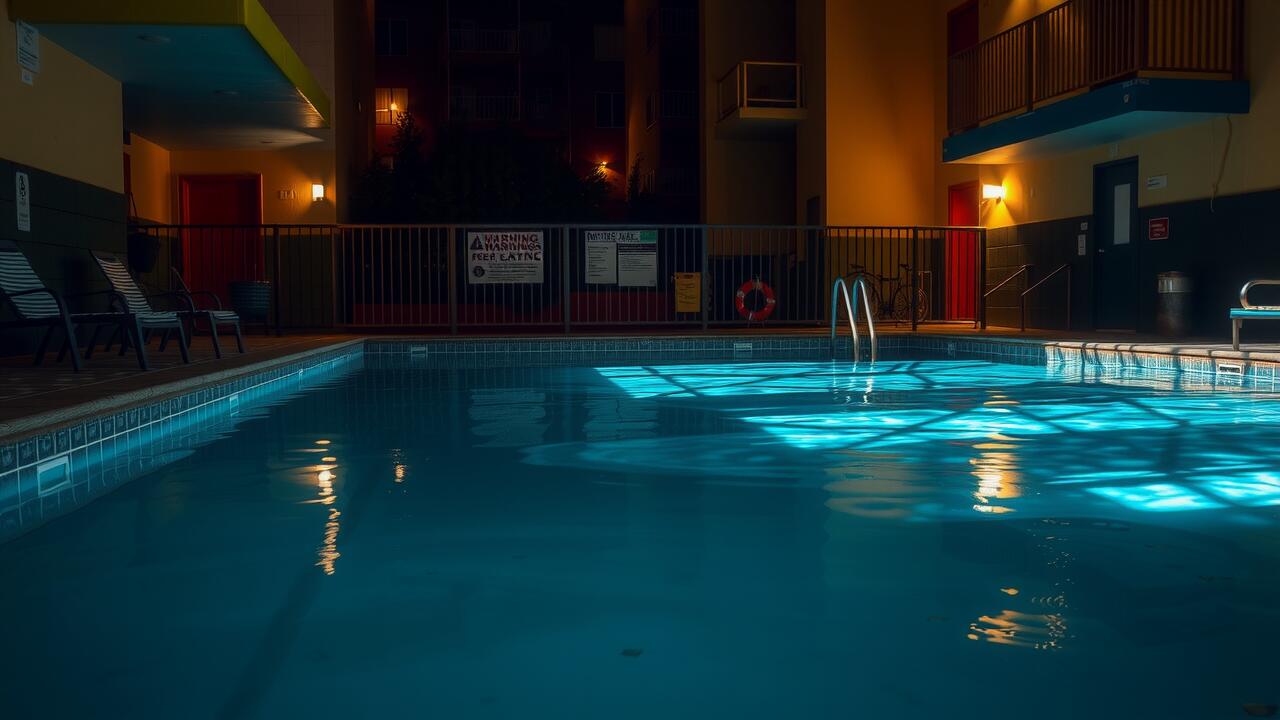
Incident reports frequently highlight the critical link between inadequate lighting and lack of supervision in causing apartment pool accidents. Public pool owners and private pool owners alike face serious implications when neglecting safety measures. Broken light fixtures and inadequate pool design create visibility issues that can lead to tragic incidents. Without proper illumination, swimmers may struggle to adhere to pool rules, ultimately endangering their safety and that of others.
Trends in pool accident reports often reveal a correlation between these safety oversights and the involvement of pool accident lawyers. Many cases stem from preventable situations where adequate lighting and vigilant supervision could have ensured a safe pool environment. It becomes evident that both responsible pool owners and effective pool equipment maintenance play crucial roles in promoting swimming pool safety. By prioritizing these elements, the risk of accidents can be significantly mitigated.
Common Causes of Accidents in Apartment Pools
Inadequate lighting and lack of supervision are significant factors contributing to pool injuries and accidents in apartment complexes. Many incidents occur in the swimming pool area after dark, where poor visibility exacerbates unsafe water conditions. Such accidents can happen in both public pools and private settings, including backyard pools. Apartment management often overlooks the necessary measures to maintain a safe pool environment, increasing the risk of significant accidents.
Common causes of pool cases often include slip-and-fall incidents, drowning, or pool poisonings linked to inadequate oversight. Municipal pools may enforce stricter regulations compared to private pools; however, apartment complexes frequently lack the same level of attention to safety. Ensuring proper lighting and vigilant supervision is essential to reduce the likelihood of accidents and to create a safe pool experience for residents and their guests.
Legal Consequences of Inadequate Lighting and Lack of Supervision
Apartment owners face serious repercussions stemming from how inadequate lighting and lack of supervision cause apartment pool accidents. Legal liability often falls on these owners when poor supervision or improper maintenance of the pool contributes to injuries. A well-maintained pool with proper illumination can dramatically reduce risks, emphasizing the importance of responsible pool ownership. In many cases, liability laws outline the necessity for pools to implement safety measures, including the presence of trained pool staff and clear pool rules. Neglecting these aspects can lead to pool liability cases in which pool injury victims seek damages, highlighting the critical link between water safety and adequate oversight. Ultimately, the consequences of inadequate safety measures can be detrimental, affecting not only the well-being of residents but also the legal standing of apartment complexes.
Liability Considerations for Apartment Complexes
Apartment complex owners face significant liability risks related to how inadequate lighting and lack of supervision cause apartment pool accidents. Unsafe premises can lead to potential hazards for residents and guests alike. Poor visibility at night can obscure dangerous conditions such as serious slip hazards around the pool area or nearby parking lots. If a resident is injured due to negligence in supervision or failure to implement proper safety measures like automatic pool covers, apartment complex owners may be held accountable.
Legal claims often arise when accidents occur, highlighting the importance of proactive risk management. Proper water quality maintenance and regular inspections by a professional pool service are essential to ensure safety. Many apartment complexes overlook these critical aspects, increasing their exposure to liability. By addressing lighting issues and ensuring diligent supervision, property managers can significantly reduce risks and protect both residents and their investments from potential lawsuits.
- Regularly inspect and maintain lighting around pool areas and common spaces.
- Implement clear pool rules and ensure they are communicated to all residents.
- Provide lifeguard services during peak swimming hours to enhance supervision.
- Conduct routine safety audits to identify and address potential hazards.
- Maintain a first aid kit and train staff in basic first aid and emergency response.
- Ensure that all visitors and residents are aware of emergency contact information.
- Keep a log of maintenance and safety inspections for accountability and compliance.
Case Studies and Legal Precedents
Case studies highlight the alarming reality of how inadequate lighting and lack of supervision cause apartment pool accidents. A personal pool without adequate safety measures can become a site of many accidents, including slip-and-fall accidents and serious pool injuries. Several documented incidents reveal that poorly lit areas around pool features significantly increase accident risks. Victims often seek the expertise of a pool injuries lawyer to navigate the complications surrounding unsecured pool areas that lack proper oversight.
Legal precedents show that property owners may be held liable for accidents stemming from inadequate lighting and supervision. Courts have ruled in favor of plaintiffs in cases involving machinery accidents or fall accidents where it was evident that the apartment complex neglected its responsibility to ensure safe pool environments. These cases serve as a reminder of the critical need for adequate supervision and the implementation of safety measures to protect residents and guests from potential hazards associated with pool ownership.
Preventive Measures for Apartment Pools
Addressing how inadequate lighting and lack of supervision cause apartment pool accidents is critical for ensuring safety in community and public swimming pools. Enhancing proper illumination around pools significantly reduces visibility issues that contribute to accidents. Property owners must prioritize replacing burnt-out light bulbs and installing adequate lighting fixtures, particularly at known hazards such as the pool drain. For large pools, proper supervision by trained personnel is essential to monitor activities and respond to emergencies. Neglecting these measures not only increases pool expenses but also heightens the risk of incidents in private swimming pools and community pools alike. By implementing these preventive strategies, the likelihood of accidents can be substantially minimized.
- Regularly inspect and maintain pool facilities to ensure all safety equipment is functional.
- Create clear signage that indicates pool rules and emergency procedures.
- Provide lifeguard training and certification for staff members overseeing the pool area.
- Implement designated swimming hours for children to minimize overcrowding.
- Offer swimming safety classes for residents, especially for families with young children.
- Ensure emergency response equipment, such as first aid kits and rescue devices, is readily available and easily accessible.
- Foster a community culture of safety by encouraging residents to report any safety concerns or hazards.
Improving Lighting Solutions
Proper lighting in and around apartment pools is essential to mitigate the risks associated with inadequate visibility. Dim lighting can obscure potential hazards such as pool edges and faulty ladders, leading to dangerous falls and personal injury accidents. Well-lit areas help residents navigate safely, reducing slip hazards and ensuring that pool drains and pool depth are clearly visible. A well-illuminated accident scene allows for quicker responses to emergencies, ultimately enhancing the overall safety of the swimming area.
To ensure that an apartment pool complies with safety standards, enhancing lighting solutions should be a priority for property managers. High-quality, well-placed lighting fixtures can illuminate critical areas, including the paths to poolside amenities and the surrounding environment. This clarity not only helps in preventing accidents but also promotes the use of proper safety equipment among residents. By addressing visibility issues, apartment complexes can significantly lower the risk of injuries associated with How Inadequate Lighting and Lack of Supervision Cause Apartment Pool Accidents and create a safer recreational space for all.
Conclusion
The relationship between how inadequate lighting and lack of supervision cause apartment pool accidents cannot be overstated. Insufficient lighting in private swimming pools can obscure hazards, making it difficult for residents to notice potential dangers. This, coupled with a lack of proper safety procedures and constant adult supervision, increases the likelihood of accident cases occurring. Without vigilant oversight, the risks are amplified, underscoring the urgency for apartment complexes to implement effective safety measures. Addressing these issues is vital in creating a safer environment for all pool users.
FAQS
What are the main factors that contribute to apartment pool accidents?
The main factors contributing to apartment pool accidents include inadequate lighting, lack of supervision, visibility issues, and nighttime hazards that can lead to dangerous situations.
How does inadequate lighting affect pool safety?
Inadequate lighting can create visibility challenges for swimmers, making it difficult to see potential hazards or other swimmers, increasing the risk of accidents and injuries.
Why is supervision important at apartment pools?
Supervision is crucial because it allows for immediate response to emergencies, helps enforce safety rules, and can deter risky behavior, significantly reducing the likelihood of accidents.
Are lifeguards necessary at apartment pools?
While not always required, having lifeguards or trained personnel on-site can enhance safety by monitoring pool activity, ensuring rules are followed, and providing assistance in emergencies.
What legal responsibilities do apartment complexes have regarding pool safety?
Apartment complexes are legally responsible for maintaining safe environments, which includes ensuring adequate lighting and supervision at pool areas. Failure to do so can result in liability for accidents that occur.
What are the main causes of swimming pool accidents in apartment complexes, specifically regarding inadequate emergency lighting and lack of supervision?
The primary causes of swimming pool accidents in apartment complexes often include inadequate emergency lighting and negligence in supervision. For instance, without proper lighting, which may include streetlights and adequate signs outlining pool rules, residents or guests may experience diving accidents or other pool-related risks. Property owners are responsible for ensuring that the pool area is well-lit and regularly maintained. Failure to do so can lead to serious car accidents in adjacent parking lots or increase liability under pool liability laws. Thus, it's essential to put measures in place such as proper pool safety protocols, regular pool clean checks, and ensuring pool water quality to prevent accidents effectively.
How does negligence by property owners, such as not replacing light bulbs, contribute to accidents in hotel and apartment pools, particularly regarding public pool violations?
Negligence supervision by property owners can lead to accidents in hotel and apartment pools, as the failure to replace light bulbs can create hazardous conditions. Public pool violations often stem from inadequate safety measures, including poor lighting or insufficient supervision. It's crucial to outline pool rules to ensure safety and prevent causes swimming pool accidents. Additionally, parking lot accidents can also be a concern when safety measures are not properly enforced.
How can the failure to maintain adequate lighting in apartment pools lead to accidents, especially if the property owner hasn’t replaced light bulbs?
Inadequate lighting in apartment pools can significantly increase the risk of accidents. When the property owner failed to replace light bulbs, it can create dark areas around the pool, making it difficult for residents to see potential hazards such as slippery surfaces or the pool drain—the absence of proper illumination can lead to falls or other injuries.
What role does adequate supervision play in ensuring safety at apartment pools, and how might the absence of such oversight contribute to accidents?
Adequate supervision is crucial at apartment pools because it helps prevent accidents that occur due to improper behavior or unsafe conditions. If supervision is lacking, it increases the risk of incidents that can lead to serious injuries. For instance, in environments where the apartment pools aren’t monitored, swimmers may engage in risky activities, leading to accidents, including drownings or slips.
How can poor lighting and insufficient supervision be responsible for accidents that occur in apartment pools?
Insufficient supervision and inadequate lighting in apartment pools can significantly increase the risk of accidents. When the lighting isn’t sufficient, it becomes difficult for both swimmers and lifeguards to see potential dangers or individuals in distress, leading to unsafe situations. Moreover, if an apartment pool isn’t monitored adequately, vulnerable swimmers may not receive timely assistance during emergencies. Hence, the absence of proper lighting and supervision at apartment pools isn’t just a minor issue; it can create hazardous conditions.
How do unsafe conditions in apartment pools lead to accidents, particularly concerning supervision and lighting?
Unsafe conditions in apartment pools can significantly increase the likelihood of accidents. When there is inadequate lighting or insufficient supervision, residents may not be able to see hazards clearly or have someone there to assist them in case of an emergency. This lack of safety measures in apartment pools can lead to serious injuries or even fatalities among residents.
What safety measures can be implemented to prevent accidents in apartment pools?
To enhance safety in apartment pools, property owners should ensure proper maintenance of the facilities, including adequate lighting and regular supervision. Ensuring that lighting is bright and functional can significantly reduce the risk of accidents, making it essential for the safety of residents using apartment pools. Additionally, having trained lifeguards or supervision can help monitor activities, thereby reducing potential hazards in the pool environment.
What are some common safety concerns related to apartment pools that can lead to accidents?
Common safety concerns regarding apartment pools include inadequate lighting, which can obscure hazards, and insufficient supervision, both of which contribute significantly to accidents in apartment settings. Ensuring these safety measures are addressed is essential for preventing accidents in apartment pools.
What specific safety features should be considered to enhance safety in apartment pools?
To enhance safety in apartment pools, it is crucial to consider features such as proper lighting, adequate supervision, and clear signage about pool rules. These measures help ensure that residents and guests are aware of potential dangers and can enjoy a safer environment within the apartment pool area.
What are some tips for enhancing safety in apartment pools to prevent accidents?
To enhance safety in apartment pools, property owners should consider implementing regular maintenance checks, ensuring that adequate lighting is in place, and providing the necessary supervision to monitor activities around the pool. These measures can significantly reduce the risk of accidents in apartment pools and create a safer environment for residents.