Key Takeaways
- Absence of barriers and damaged entrances increases liability issues related to swimming areas and highlights the significance of aquatic safety.
- Dangers linked to unsecured swimming environments can result in serious accidents and injuries.
- Legal consequences of hazardous pool conditions can lead to significant financial repercussions for property owners.
- Proactive steps for securing swimming areas can effectively mitigate risks and enhance safety.
- Actual incidents of claims regarding swimming area negligence underscore the necessity for proper maintenance and safety measures.
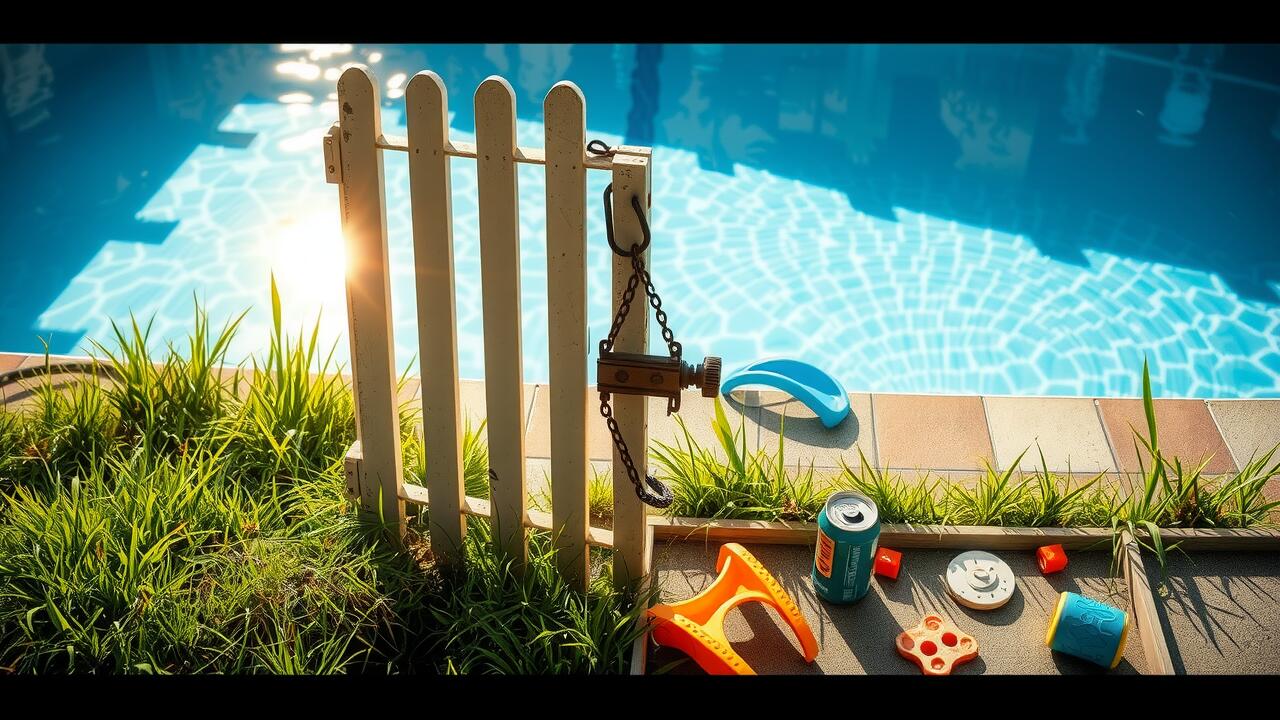
Lack Of Fencing And Broken Gates: How Unsafe Pool Areas Lead To Legal Claims | Understanding the Importance of Pool Safety
The significance of proper pool fencing cannot be overstated, especially regarding the prevention of accidents and legal claims. Lack of fencing and broken gates create unsafe conditions that can lead to serious safety hazards, especially in environments like public pools where unsupervised access is common. A reliable pool fence serves as a critical safety barrier, ensuring that children and unauthorized individuals cannot easily access the enclosure. The absence of robust perimeter fencing or the presence of a damaged gate can expose property owners to liability, making them vulnerable to lawsuits and claims arising from injuries or accidents. Adhering to the enclosure act further enforces the necessity for effective safety measures, making proper fencing essential for maintaining a secure swimming area.
Lack of Fencing and Broken Gates: How Unsafe Pool Areas Lead to Legal Claims | The Role of Fencing in Preventing Accidents
The presence of proper fencing is crucial for ensuring water safety around pools. A lack of fencing poses significant safety hazards, particularly with above-ground swimming pools that can attract curious children. Without adequate barriers, these pools become physical hazards, increasing the risk of accidental drownings or injuries. Public pools and private residences alike must adhere to safety regulations to prevent such tragedies. Without compliance, property damage and legal ramifications can occur as victims or their families pursue claims against negligent owners.
Broken gates compound the dangers presented by unsecured pool areas. In the event of an accident, courts often scrutinize property owners for failing to maintain safe environments, especially when it comes to statutes of limitations regarding legal claims. Contaminated water can exacerbate issues related to unsupervised access to the swimming pool. The implications of these hazards highlight the need for vigilance and responsibility in maintaining fencing and gates around all types of swimming pools. Addressing these concerns can prevent serious incidents and reduce the risk of legal claims arising from unsafe pool conditions.
Implications of Broken Pool Gates
Broken pool gates can create a significant security breach, turning otherwise safe swimming pools and waterparks into potential hazards. Children and unauthorized individuals may easily gain access, leading to dangerous situations, especially in areas like kiddie pools. The lack of proper safety measures can result in premises liability for property owners. Personal injury law allows for claims against those who fail to secure their properties adequately, leaving them vulnerable to costly lawsuits.
The implications of having broken gates extend beyond immediate personal safety concerns. Property damages can escalate quickly if trespassers suffer injuries or accidents occur due to unsafe conditions. Personal injury lawyers often cite strict liability in such cases, where the property owner is held accountable regardless of negligence. Understanding the statute of limitations is crucial for victims as they navigate legal claims stemming from incidents involving unsafe pool areas, highlighting the importance of maintaining proper fencing and secure gates.
- Regular inspections of pool gates can help identify and address potential issues before they escalate.
- Property owners should invest in quality materials for gates to ensure durability and security.
- Clear signage warning of unsafe conditions can help protect property owners from liability.
- Implementing a strict access policy can further deter unauthorized entry into the pool area.
- Training staff in emergency protocols related to pool safety can minimize risks if incidents occur.
- Collaborating with local safety inspectors can ensure compliance with municipal safety regulations.
- Establishing a maintenance schedule for gates and fencing can prevent future damage and liability concerns.
The Risks Associated with Unsafe Pool Areas
Unsafe pool areas pose significant risks that can lead to serious legal repercussions. A lack of fencing and broken gates creates an environment that invites trespasses, increasing the likelihood of accidents and injuries. Incidents resulting from non-compliance with safety regulations highlight the urgent need for a secure pool environment. Homeowners may find themselves facing personal injury lawsuits if children or unwelcome guests gain access due to inadequate security, such as malfunctioning locks on pool gates. Engaging a personal injury lawyer may become necessary for those affected, as they seek to file a personal injury claim related to unsafe pool enclosures. The installation of proper pool safety fences and regular maintenance of pool gate/fence systems are crucial to mitigate these risks and ensure compliance with safety standards. Ensuring that pool fence needs are met contributes significantly to preventing unwanted incidents and legal challenges.
Common Dangers of Lack of Fencing
The absence of proper fencing around a pool significantly increases the risk of accidents. Lack of Fencing and Broken Gates: How Unsafe Pool Areas Lead to Legal Claims often highlights incidents where children or pets wander into unsafe pools. Without effective pool barriers in place, these vulnerable groups may inadvertently encounter hazardous conditions. Safety fencing, such as mesh safety fences or above-pool safety barriers, can provide crucial protection against potential drownings and injuries.
Broken gates exacerbate these dangers further by allowing unhindered access to unsafe pools. A malfunctioning pool gate can fail to secure the area, leading to potential tragedies. Homeowners must recognize how failing to repair or maintain pool gates not only jeopardizes safety but also may expose them to legal repercussions. The responsibility of ensuring pool safety rests on property owners, who are legally obligated to provide a safe environment through proper fencing and functional pool gates.
Consequences of Having Broken Pool Gates
Broken gates pose significant risks in pool areas, making it easier for children or unauthorized individuals to access dangerous zones. This lack of proper access control can lead to various incidents, including drowning or injury from known pool hazards such as unsafe pool slides and faulty pool equipment. The Pool Safety Act emphasizes the necessity of adhering to local pool safety regulations, which include ensuring that pool gates are effective and maintained to prevent unauthorized access. Pool owners must understand that their liability increases with every broken pool ladder, defect in pool structures, or compromised pool walls.
The consequences of having broken gates extend beyond immediate accidents. They can lead to complex legal claims arising from injuries that occur due to negligent maintenance. An unsafe pool environment provides ample grounds for litigation under the premise of failing to uphold pool rules and regulations. This situation often results in legal claims associated with a broader lack of fencing and broken gates, illustrating how critical proper pool safety is in protecting both individuals and the property owner from severe repercussions.
Legal Implications of Unsafe Pool Conditions
The relationship between unsafe pool conditions and potential legal repercussions is a critical concern for pool owners. Lack of Fencing and Broken Gates: How Unsafe Pool Areas Lead to Legal Claims highlights how inadequate barriers can lead to pool injuries. Broken gates compromise security, allowing unauthorized access to dangerous areas, which can result in devastating pool-related injury. For above-ground pool owners, ensuring compliance with valid pool permits and minimum fence heights becomes crucial. A secure barrier not only serves as a preventive measure but also minimizes the risk of pool injury lawsuits. Enclosures must be regularly maintained to prevent defects, particularly in defective above-ground pools, as any oversight can expose owners to significant legal liabilities associated with pool construction and safety.
How Lack of Fencing Contributes to Liability
Lack of fencing significantly increases the risk of pool-related accidents, which can lead to serious legal claims. Residential pool owners who fail to install fences or secure barriers are creating an unsafe swimming environment. Safety barrier requirements dictate that all pool facilities must be properly enclosed to prevent unauthorized access. Without compliant safety barriers, above-ground and ground pool accidents become more likely. This negligence can expose owners to pool liability insurance claims due to their inaction in adhering to safety barrier guidelines.
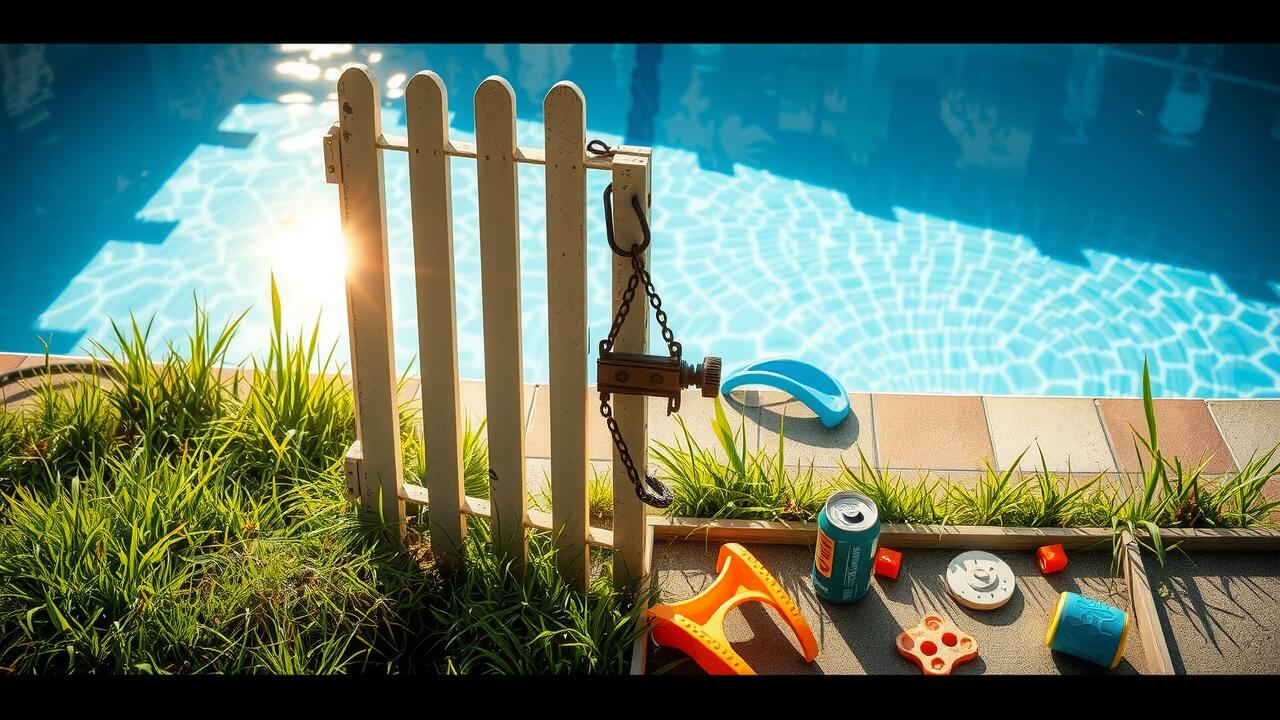
Unsafe situations arising from broken gates further exacerbate the liability risks for pool owners. A broken gate may not only render a fence ineffective but also provide easy access to young children and pets, increasing the chances of pool accidents. Owners must ensure that fence rests and gate mechanisms are in good working order to comply with safety regulations. Lack of Fencing and Broken Gates: How Unsafe Pool Areas Lead to Legal Claims highlights the importance of maintaining secure barriers around pools to mitigate potential legal liabilities associated with unsafe conditions.
Legal Claims Arising from Broken Pool Gates
Defective pool gates significantly elevate the risk of accidents in private pool areas. An unsecured pool area, especially surrounding in-ground pools, creates a hazardous environment for children and pets. The presence of faulty gates can lead to unauthorized access, increasing the likelihood of swimming pool injuries. Homeowners must adhere to clear pool rules and ensure compliance with safety barrier standards by installing tall fences and robust enclosures to mitigate liability risks.
Legal claims often arise from incidents linked to broken gates in residential pools. These claims highlight the homeowner's responsibility to maintain a safe environment within their property. Negligence in maintaining pool gates not only jeopardizes safety but can also lead to costly lawsuits. Victims of swimming pool injuries may argue that a lack of fencing and broken gates directly contributed to their accidents. This reinforces the importance of diligent upkeep and adherence to safety regulations in pool areas.
Preventative Measures for Pool Safety
Ensuring safety in pool areas requires proactive measures, especially considering the serious implications of the Lack of Fencing and Broken Gates: How Unsafe Pool Areas Lead to Legal Claims. Pool owners must prioritize the installation of robust fencing solutions that meet safety regulations to prevent unauthorized access. Self-latching gates play a crucial role in improving safety, effectively addressing the risks associated with both in-ground swimming pools and above ground pools. Regular maintenance is equally important; broken gates must be repaired promptly to eliminate potential entry points for children and pets. A clean pool area free from hidden hazards, such as murky pools or faulty pool drains, minimizes the risk of severe pool accidents. By focusing on these preventative strategies, pool owners can significantly reduce the likelihood of pool accident lawsuits stemming from unsafe conditions.
Installing Robust Fencing Solutions
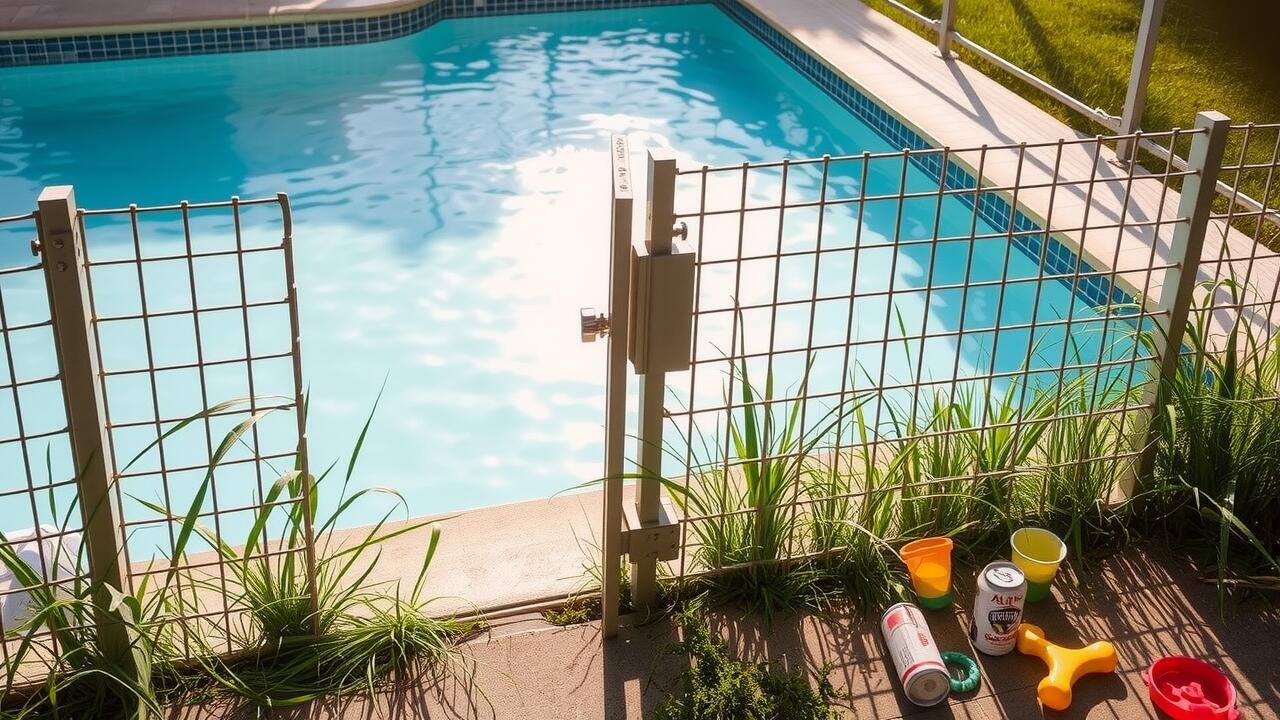
Robust fencing solutions are essential for enhancing the safety of pools, including above-ground pools. A well-constructed fence acts as a barrier that deters unauthorized access, minimizing the likelihood of swimming pool accidents. Without proper fencing, location unsafe becomes a major concern, as children or pets could wander into dangerous property conditions. Security hazards increase significantly without adequate barriers, which is why addressing the Lack of Fencing and Broken Gates: How Unsafe Pool Areas Lead to Legal Claims is paramount for any pool owner.
Regularly maintaining fencing around pool areas also plays a crucial role in ensuring safe premises. This includes repairing outdoor gates and addressing issues such as a broken lock promptly. Supervision alone is not enough to prevent incidents; robust fencing helps define clear boundaries around pool decks. By investing in strong and reliable fencing, property owners can greatly reduce the risk of dangerous situations arising from Lack of Fencing and Broken Gates: How Unsafe Pool Areas Lead to Legal Claims.
Repairing and Maintaining Pool Gates
Proper repair and maintenance of pool gates is essential to ensure the safety of residential above-ground pools. A pool attorney may highlight that broken locks or malfunctioning self-closing gates can leave an area vulnerable. Such issues can lead to unfortunate pool accidents, particularly if children gain unauthorized access to private swimming pools. Following the enclosure act mandates adequate barriers that prevent entry to swimming areas, which emphasizes the importance of maintaining these gates in optimal condition.
Regular inspections of pool gates are crucial to preventing safety breaches. Failure to address broken gates or neglecting to secure grounds can expose homeowners to legal claims under the Lack of Fencing and Broken Gates: How Unsafe Pool Areas Lead to Legal Claims. Adequate barriers not only protect visitors but also align with safety regulations. Incorporating elements like pool covers and ensuring all gates function correctly can significantly reduce risks associated with unsafe pool areas.
Real-Life Cases of Pool Area Claims
Numerous cases illustrate the dire consequences associated with the lack of fencing and broken gates in residential pools. Summer pool accidents often stem from inadequate safety measures, leaving entire pool areas dangerously accessible. Backyard pool manufacturers stress the importance of installing barriers to protect against potential incidents. Instances where pool equipment or wet pool areas lack proper securing mechanisms highlight the risk not only to users but also to unsuspecting neighbors. Above-ground swimming pools with compromised fencing have resulted in tragic swimming pool accidents, emphasizing the necessity for homeowners to ensure their pool areas are safeguarded. Legal claims arising from these dangers spotlight the critical need for compliance with safety regulations set forth by pool manufacturers, fostering a safer environment in residential communities.
Analyzing Notable Legal Claims Linked to Pool Safety
Many legal claims related to pool safety stem from negligent pool owners who fail to adhere to basic water safety standards. The lack of fencing and broken gates can create unsafe environments that lead to accidents and injuries. Building violations often arise when certain above-ground pools and different community pools do not meet required safety regulations. In these cases, inadequate barriers can heighten safety risks, leaving property owners liable for any resulting legal issues.
Recent legal cases illustrate the consequences of failing to maintain proper safety precautions. For instance, incidents involving unsafe playground equipment near pool areas can trigger lawsuits against owners who ignore safety breaches. Claims can arise from both residential and commercial properties, revealing that neglecting basic safety measures not only endangers lives but can also result in significant financial repercussions for non-compliant owners. The connection between Lack of Fencing and Broken Gates: How Unsafe Pool Areas Lead to Legal Claims is clear in these instances.
- Understanding local pool safety regulations is crucial for owners.
- Regular maintenance checks can help prevent safety violations.
- Installing proper fencing and locked gates significantly reduces liability risks.
- Pool safety education for families and guests can decrease injury rates.
- Documenting safety inspections can support legal defenses if claims arise.
- Consulting with legal experts can provide guidance on compliance issues.
- Keeping emergency equipment readily accessible is vital for pool safety.
Conclusion
The discussion surrounding Lack of Fencing and Broken Gates: How Unsafe Pool Areas Lead to Legal Claims highlights the critical need for proper safety measures in residential and commercial pool environments. Without adequate fencing, individuals expose themselves to a serious safety hazard, risking unauthorized access and potential accidents. Faulty drains and other features can further complicate these dangers. Adhering to precise barrier standards is essential in mitigating known hazards present in pool areas. The implications of neglecting these safety aspects can lead to legal ramifications, making it imperative to address the issues of lack of fencing and broken gates seriously.
FAQS
Why is fencing important around pool areas?
Fencing is essential around pool areas as it creates a physical barrier that helps prevent unauthorized access, especially for children and pets, reducing the risk of accidents and drownings.
What are the legal implications of having broken pool gates?
Broken pool gates can lead to legal claims if they cause injuries or facilitate unauthorized access to the pool area. Property owners may be held liable for negligence if they fail to repair or maintain these gates.
How can a lack of fencing contribute to liability for pool accidents?
A lack of fencing can increase liability as it may be viewed as a failure to take reasonable precautions to protect individuals from potential hazards associated with the pool, leading to legal claims if an incident occurs.
What are some common dangers associated with unsafe pool areas?
Common dangers include drowning, slip and fall accidents, and injuries from improper use of pool equipment. These risks are heightened in areas without proper fencing and maintenance.
What preventative measures can be taken to ensure pool safety?
Preventative measures include installing robust fencing, regularly repairing and maintaining pool gates, using pool covers, and implementing safety alarms and signage to deter unauthorized access and promote awareness.
How can unsafe pool gates affect the overall safety of above ground swimming pools?
Unsafe pool gates contribute to a lack of safety fencing and gates around the pool area, which can increase the risk of accidents and swimming pool injury. Effective gate installations and adherence to the enclosure act are essential for ensuring proper fence and security measures are in place. Without a proper enclosure, private pools may become unsafe areas that could lead to trespassing and accidents, especially in the case of defective aboveground pools or broken pool equipment. For the safety of swimmers, it's crucial to maintain clean pool water, supervise pool areas, and install specified barriers to prevent unauthorized access.
What are the implications of not installing barriers around above ground swimming pools in terms of legal claims and safety?
Failing to install barriers like a chain link fence around above ground swimming pools can lead to serious legal claims due to safety issues. Such omissions can violate the enclosure act, contributing to accidents associated with defective pool structures and increasing the risk of above-ground pool accidents. Proper ground pool safety measures, such as safety pool covers and pool alarms, should be implemented to maintain compliance with different safety regulations and protect against incidents caused by unauthorized pool access. Additionally, ensuring that the pool area is clean and that defective pool lights or incorrect pool depth are addressed can enhance overall safety and prevent potential legal liabilities associated with neighboring barriers and complex pool safety concerns.
What are the legal responsibilities regarding fencing and security measures for certain aboveground pools in Texas?
In Texas, the Enclosure Act mandates that certain above-ground pool products must be safeguarded with adequate barriers. Compliance with these regulations ensures above-ground pool safety, and neglecting to do so could lead to significant legal claims. Additionally, having security guards on site can enhance the safety of the pool area, ensuring a clean environment for a better pool experience while maintaining pool water clean and secure.
What are the consequences of inadequate fencing around certain aboveground pools in Texas concerning the enclosure act and liability?
In Texas, the lack of proper fencing and barriers around certain aboveground pools can lead to significant legal consequences as dictated by the enclosure act. Inadequate fencing increases the risk of accidents, including incidents such as pool tipping, and may also result in legal claims from injuries occurring within the pool area. It is essential to maintain a clean pool area to minimize liability and ensure the safety of users, which reinforces the importance of adhering to safety regulations like the enclosure act.
How can ensuring a clean pool area contribute to the safety of Texas pool environments?
Keeping a pool area clean is essential in maintaining safety, especially in Texas pool settings. A clean pool area helps prevent accidents caused by slips and falls, making it easier to identify hazards that could lead to legal claims. In addition, a well-maintained environment ensures that safety measures are visible and effective, further supporting the overall safety compliance in Texas pool regulations.